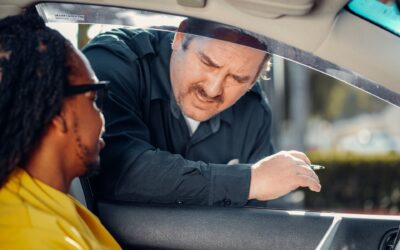
Being stopped for suspicion of DUI in Reno is stressful, and the situation can be particularly confusing when the focus is marijuana instead of alcohol. Many people do not realize that they can face a DUI charge even if they used cannabis lawfully at home and later drove believing they were no longer affected. That misunderstanding can quickly develop into a significant legal problem.
This article explains how Nevada law treats marijuana and driving, how these cases differ from alcohol DUIs, what typically happens after an arrest, and what steps individuals can consider to protect their rights. The purpose is to provide clear, general information so readers can better understand the issues involved and recognize when it may be appropriate to consult with a marijuana DUI attorney in Reno for legal advice tailored to their specific situation. This article is for informational purposes only and does not constitute legal advice.
Marijuana DUIs in Reno
As the weather warms up in Reno, roadway activity often increases. There tend to be more:
- Road trips and recreational drives
- Visits to nearby lakes or outdoor areas
- Public events and evening outings
With increased traffic and enforcement, law enforcement officers may conduct more stops where marijuana use is suspected. Although recreational cannabis is legal for adults in Nevada under certain conditions, the law is very strict about operating a vehicle while impaired by marijuana.
Nevada generally treats driving under the influence of marijuana just as seriously as driving under the influence of alcohol. The fact that cannabis is legal for adults, or that a person has a medical marijuana card, does not provide protection if an officer believes the driver is impaired.
Marijuana DUI investigations and prosecutions are not identical to alcohol DUIs. The way officers investigate, the types of tests they use, and the way those tests are evaluated in court can be quite different. This article discusses:
- What “under the influence” means in the marijuana context
- How THC testing works in DUI cases
- Potential penalties
- When it may be appropriate to consult a lawyer who handles these cases in Northern Nevada
How Nevada Law Treats Marijuana and DUI
Under Nevada law, driving under the influence of marijuana generally means one of two things: either the driver is too impaired to operate a vehicle safely, or a blood test reveals certain amounts of THC or its byproducts. Either basis can lead to a DUI charge.
There are two key concepts:
- Impairment-based: An officer asserts that the driver’s conduct, driving pattern, and behavior show that the driver was not safely in control of the vehicle due to marijuana.
- Per se-based: A blood test shows THC or specific marijuana metabolites at or above limits set by Nevada law.
It is important to understand that lawful marijuana use is separate from driving. Even if a person purchases cannabis from a licensed store, uses it in a lawful location, or holds a valid medical marijuana card, they can still be arrested if law enforcement believes the individual drove while impaired. The legal question is not whether the use was lawful, but whether the person was under the influence for purposes of operating a motor vehicle.
Nevada law also distinguishes between active THC and marijuana metabolites. Active THC is more closely linked to recent use and the psychoactive effects of marijuana, while metabolites can remain in the blood or urine for a longer period even after the subjective “high” has passed. This distinction can be significant in DUI cases because the timing of the last marijuana use may affect how test results are interpreted. For example, a person who used marijuana days earlier might still show metabolites, and a marijuana DUI attorney in Reno may closely examine which substances were measured and how.
The method of consuming marijuana does not change how Nevada’s DUI law applies. Whether marijuana is smoked, vaped, or consumed as an edible, a driver may be charged if law enforcement believes the driver was impaired. Edibles can present particular risks because:
- Their effects can be delayed.
- The effects can last longer than expected.
- Individuals may take additional amounts before the initial dose takes effect.
Key Differences Between Alcohol and Marijuana DUIs
Alcohol DUIs often revolve around a specific number: the blood alcohol concentration (BAC). Officers typically use a breath test, and the law sets clear limits. If the BAC is at or above that limit, the State may argue the driver was under the influence.
Marijuana DUIs differ in several important ways:
- There is currently no widely used roadside breath test for THC comparable to standard alcohol breath tests.
- Officers may rely heavily on their observations, including driving behavior and physical signs.
- Blood and sometimes urine tests are used instead of, or in addition to, breath tests.
Marijuana can affect drivers in ways that are not always simple to measure. Common issues include slower reaction times, difficulty performing multiple tasks at once (for example, steering while monitoring traffic), and impaired judgment about distance and speed. These factors influence how officers use field sobriety tests, and some standardized field sobriety tests were originally developed with alcohol in mind, not cannabis, so their usefulness and reliability in marijuana-related cases may be subject to challenge.
Another complication is that THC levels do not always correspond neatly to how impaired a person actually is. For example:
- Regular users might have higher THC readings even when they feel and appear relatively normal.
- Someone who rarely uses marijuana might be significantly impaired at a lower THC level.
Because of this, defense work in marijuana DUI cases often focuses on:
- How the test was performed
- Which substances were measured (active THC versus metabolites)
- Whether the results reliably reflect impairment at the time of driving
What Typically Happens After a Marijuana DUI Arrest in Reno
A marijuana-related DUI investigation in Reno often follows a general pattern, although every case is unique. The steps may include:
- A traffic stop for alleged speeding, lane deviations, equipment violations, or another cited reason
- Questions from the officer about travel plans and any recent alcohol or drug use
- Field sobriety tests on the roadside
- An assessment for signs the officer associates with marijuana use, such as odor, eye appearance, or behavior
- In some cases, an evaluation by a drug recognition expert (DRE)
- A decision to arrest, followed by transport for a blood or urine test
After an arrest, the legal process typically divides into two tracks: criminal court and administrative proceedings with the Nevada Department of Motor Vehicles (DMV).
On the DMV side, a driver may face:
- An automatic license suspension or other license action if a test is above certain statutory limits or if the driver refuses testing
- A short deadline to request a hearing to challenge that administrative action
Acting promptly in the days following an arrest can be very important. Once DMV deadlines pass, it can be difficult or impossible to reverse certain license-related consequences.
On the criminal court side, potential penalties for a marijuana-related DUI can include, depending on the facts of the case and prior history:
- Fines and court costs
- DUI education or treatment programs
- Community service
- Probation or, in some cases, jail time
- Ignition interlock device requirements in certain circumstances
The potential consequences can increase based on factors such as prior DUI convictions, allegations of a collision, whether anyone was injured or killed, and whether a minor was in the vehicle. Those details can affect both the nature of the charges and the range of possible penalties under Nevada law.
Defense Approaches a Marijuana DUI Attorney May Evaluate
A marijuana DUI attorney in Reno will typically begin by reviewing how the encounter with law enforcement started and developed. Common areas of review include:
- Whether there was a lawful basis for the initial stop of the vehicle
- How field sobriety tests were explained and administered
- Whether required procedures were followed during the detention and arrest
Testing is another critical focus. Blood and urine samples must be collected, stored, and analyzed in accordance with applicable standards. Potential issues may include:
- Concerns regarding how the blood draw was performed
- Mistakes in labeling, handling, or storing samples
- Gaps in the chain of custody
- Questions about the reliability or validation of the lab’s testing methods
In some situations, signs that appear to suggest impairment may have other explanations, such as medical conditions, fatigue, anxiety, or interactions among lawfully prescribed medications. A defense strategy may involve:
- Reviewing relevant medical history and prescription use
- Consulting expert witnesses, such as toxicologists or medical professionals
- Comparing the officer’s written report with other evidence, including body camera or dash camera footage, if available
No attorney can ethically promise or guarantee a particular outcome in any DUI case. However, a careful evaluation of the facts, procedures, and test results can sometimes lead to reduced charges, alternative sentencing options, or, in some circumstances, dismissal.
Practical Steps to Consider After a Marijuana DUI Stop
What a person does during and after a DUI stop can affect how a case develops. While every situation is different and this article is not legal advice, some general concepts that many individuals find helpful include:
- Remaining calm and respectful when interacting with law enforcement
- Remembering the right to remain silent and the right to decline to answer potentially incriminating questions
- Understanding that a person can request to speak with an attorney
- Avoiding voluntary statements about the details or extent of marijuana use
After release, it can be useful to write down key information while memories are still fresh, such as:
- The time and location of the stop
- Any food, drink, or medications consumed that day
- When marijuana was last used and the form in which it was consumed
- Names and contact information for any passengers or potential witnesses
It is generally advisable to avoid public commentary about the incident, including:
- Social media posts about the stop or the case
- Jokes or comments that could be interpreted as admitting to driving while impaired
- Messages that might be perceived as influencing or pressuring witnesses
Early consultation with a qualified DUI defense attorney can help protect a person’s rights in both the DMV and criminal court processes. An attorney can review the circumstances of the stop, the testing procedures, and the individual’s prior history, and can provide legal advice regarding the available options and potential next steps.
This article is intended for general informational purposes only and does not create an attorney‑client relationship. Anyone facing a marijuana-related DUI charge in Reno or elsewhere in Nevada should consult directly with a licensed attorney for advice specific to their situation.
Protect Your Future With Skilled DUI Defense
If you are facing marijuana-related DUI charges, our team at Joey Gilbert Law is ready to step in quickly and protect your rights. Speak with an experienced marijuana DUI attorney in Reno who understands Nevada law and how to challenge the evidence against you. We can review your situation, explain your options, and start building a defense strategy tailored to your case. To schedule a consultation, please contact us today.