Avoid Costly DUI Mistakes Before Summer Ends
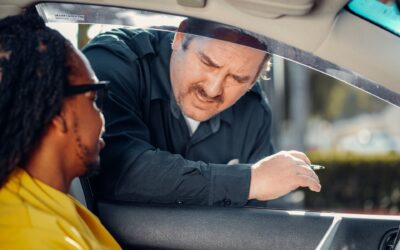
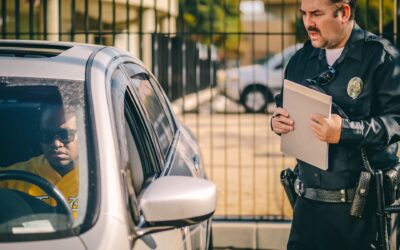
Getting stopped by police on the way home from a party or trip can have serious and immediate consequences. Around Reno and Northern Nevada, law enforcement often increases DUI patrols near popular events and busy highways, especially when the weather is warm and people are out more.
What you say and do in the first few minutes of a traffic stop can affect what happens later. It can influence whether you are arrested, what charges are filed, your driver’s license, and, in serious cases, whether the matter could be filed as a felony DUI. That is significant pressure in a short amount of time.
This article outlines common issues that can arise at a DUI stop and provides general, Nevada-focused information. It is not personal legal advice. Every situation is different. When charges are serious or unclear, speaking with an experienced felony DUI attorney in Reno as soon as possible can be critical to understanding your options and obligations.
What Nevada Law Requires You to Do
At a DUI stop in Nevada, there are certain actions the law requires and others that are not required. Knowing the difference can help you avoid unintentionally making your situation worse.
You are legally required to:
- Pull over safely and promptly when signaled
- Stay in your vehicle unless an officer instructs you otherwise
- Provide your driver’s license, registration, and proof of insurance
- Provide basic identifying information such as your name, date of birth, and address
Nevada has an implied consent law. By driving on Nevada roads, you are deemed to have agreed in advance that, after a lawful arrest for DUI, you may be required to take a chemical test, usually a breath or blood test. Refusing that test can lead to:
- A license revocation by the DMV
- The officer seeking a warrant for a blood draw
- Prosecutors arguing that refusal suggests you knew you were impaired
What is not required? You do not have to:
- Engage in casual conversation about where you were or where you are going
- State how much you drank or when you had your last drink
- Volunteer information about medications or past DUIs
These parts of the stop are often voluntary, and your statements can end up in a police report and be used as evidence. Nevada laws can change, and details matter. Consulting a DUI or felony DUI attorney in Reno as soon as reasonably possible after an arrest can help you understand your legal rights and responsibilities in your specific case.
What to Say and What to Avoid Saying at a DUI Stop
You must identify yourself, but you are not required to provide information that may be used to build a case against you. The goal is to remain polite and respectful while clearly setting boundaries.
Examples of neutral, appropriate responses include:
- “Officer, here is my license, registration, and insurance.”
- “I prefer not to answer questions about my evening.”
- “I would like to remain silent and speak with a lawyer before answering more questions.”
Common statements that may seem harmless are often used later by prosecutors, including:
- “I only had a couple.”
- “I stopped drinking a while ago.”
- “I am just tired from work.”
- “I am bad at these tests even when I am sober.”
These comments can be characterized as admissions of drinking or as indications of impairment. Guessing about drink counts, timing, or medications can be risky and may not help your situation.
You have the right to remain silent beyond providing basic identifying information. You also have the right to request an attorney. You can calmly say:
- “I do not wish to answer any more questions.”
- “I want to speak with a lawyer before I answer anything else.”
It is generally advisable to state this clearly, avoid raising your voice, and then refrain from discussing the facts of the stop.
Field Sobriety and Breath Tests: Your Options and Risks
Not all tests at the roadside are the same. Some are typically voluntary. Others may be required after a lawful arrest under implied consent laws.
Roadside field sobriety tests usually include:
- Walk-and-Turn test
- One-leg-stand test
- Eye-tracking test
These are often optional. Many people believe they must perform them, but in many DUI stops, they are not legally required. The officer’s notes about your performance are subjective and may be written in detail later. Even small stumbles, nervous swaying, or confusion can be described as signs of impairment, which can be damaging, especially in cases that might lead to a felony DUI.
There is also often a handheld preliminary breath test at the roadside. Refusing field sobriety tests or a preliminary breath test can have consequences, such as prompting the officer to conduct a more intensive investigation, but it may also limit the amount of evidence gathered. The legal implications of refusal can be complex and fact-specific.
After a lawful arrest, the situation changes. Under Nevada’s implied consent law:
- An evidentiary breath or blood test may be required
- Refusal can trigger automatic license consequences
- Officers may seek a warrant for a blood draw even if you refuse
Refusing an evidentiary test does not necessarily prevent the state from obtaining a sample and can create separate issues regarding your driver’s license. Because the details of each case matter, it is important to speak with a felony DUI attorney in Reno as soon as possible after an arrest to review what occurred and what options may exist.
Behaviors That Can Turn a Stop Into a More Serious Situation
Even if you believe the stop is unwarranted or unfair, certain behaviors can quickly make the situation more serious. Actions that frequently escalate matters include:
- Arguing or raising your voice at the officer
- Making sudden or jerky movements inside the car
- Attempting to hide, discard, or move items around
- Getting out of the vehicle without being instructed to do so
These actions can lead to additional charges or raise officer safety concerns. They can also be documented as signs of impairment or “uncooperative” behavior, which may affect how your case is viewed later.
A generally safer approach includes:
- Keeping your hands on the steering wheel where the officer can see them
- Moving slowly and telling the officer what you are reaching for
- Following clear, lawful commands
- Avoiding any physical contact with, or interference with, the officer
Remaining calm, respectful, and non-confrontational does not mean you are waiving your rights. It can protect your physical safety and may help preserve the strength of any future DUI defense.
Steps to Consider After a Reno DUI Arrest
Once the stop is over and you are released or booked, there are steps you can consider taking to protect your interests. Timing can be important.
As soon as reasonably possible, you may wish to:
- Write down everything you remember about the stop, from the first signal to pull over to the final interaction
- Note the time, location, lighting, weather, and any comments the officer made
- Write down names and contact information for any passengers or witnesses, if available
- Preserve receipts, text messages, social media posts, or rideshare records that might show where you were and when
There are often strict time limits for:
- Challenging a driver’s license suspension
- Requesting a DMV hearing
- Preserving certain defenses or evidence
Missing these deadlines can affect your ability to drive, even if your criminal case is still pending in court.
Early legal assistance is particularly important if:
- You have prior DUI convictions
- There was an accident involving injuries or significant property damage
- A chemical test reportedly showed a high alcohol level
- There are allegations involving drugs or medications
These factors can increase the risk of felony DUI charges and harsher penalties. At Joey Gilbert Law, the firm represents individuals facing DUI charges in Reno and across Northern Nevada and is familiar with how local patrol patterns, checkpoints, and enforcement campaigns can affect DUI cases. Past results do not guarantee similar outcomes. If you are facing DUI charges, consider speaking with a qualified attorney to obtain advice specific to your situation.
Protect Your Future With Strategic Felony DUI Defense
If you are facing serious DUI charges, you do not have to navigate this alone. Our team at Joey Gilbert Law is ready to evaluate your case, explain your options, and build a focused defense strategy around your specific circumstances. Speak with an experienced felony DUI attorney in Reno today so we can begin protecting your rights and your record. To schedule a consultation, please contact us.