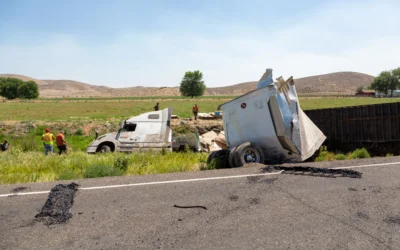
The seconds after a car accident blur together. Your hands are shaking, your heart is racing, and a thousand questions flood your mind. Among them, one question often surfaces days or even weeks later when the shock wears off and reality sets in. How much time do you actually have to do something about this?
In Nevada, the answer depends on what kind of action you’re taking. The clock starts ticking the moment metal meets metal, and knowing these deadlines could mean the difference between getting the compensation you deserve and walking away with nothing.
What Does “Filing a Claim” Really Mean?
Before we get into timelines, let’s clear up some confusion. When most people say they want to “file a claim,” they usually mean one of two things. They either want to submit a claim to an insurance company or they want to file a lawsuit in court. These are two completely different processes with different deadlines, different requirements, and different outcomes.
An insurance claim is your request for the insurance company to cover your damages. It’s usually the first step after an accident and involves working with adjusters, providing documentation, and negotiating a settlement. Most accidents get resolved this way without ever seeing the inside of a courtroom.
A lawsuit, on the other hand, is a formal legal action filed in civil court. This becomes necessary when insurance companies refuse to offer fair compensation, deny your claim, or when the damages exceed what insurance can cover. In Nevada, lawsuits have strict time limits called statutes of limitations, and these are carved in stone.
Nevada’s Statute of Limitations for Car Accident Lawsuits
Nevada has clear legal deadlines for filing lawsuits related to car accidents. These deadlines exist for good reasons. Evidence disappears, memories fade, and witnesses move away. The law wants disputes resolved while facts are still fresh and reliable.
Under Nevada Revised Statutes Section 11.190, you have two years from the date of the accident to file a personal injury lawsuit. This applies when you’re seeking compensation for bodily injuries such as broken bones, whiplash, traumatic brain injuries, or any other physical harm caused by the crash.
If you’re filing for property damage only, like repairs to your vehicle or replacement costs, the timeline extends to three years from the accident date. This longer window recognizes that vehicle damage claims tend to be more straightforward than injury cases.
Missing these deadlines has serious consequences. If you try to file after the statute of limitations expires, the defendant will ask the court to dismiss your case, and the court will almost certainly grant that request. No matter how strong your evidence or how severe your injuries, the case gets thrown out. Your right to compensation vanishes.
When the Clock Actually Starts
For most accidents, the two-year or three-year countdown begins on the date of the crash itself. If your accident happened on March 15, 2024, you have until March 15, 2026, to file a personal injury lawsuit or March 15, 2027, for property damage claims.
But Nevada law recognizes that not all injuries show up immediately. Some medical conditions don’t manifest symptoms until days, weeks, or even months after an accident. In these situations, the “discovery rule” may apply. This rule pushes the start date to when you discovered the injury or reasonably should have discovered it.
For example, if you walked away from an accident feeling fine but developed chronic back pain three months later that doctors traced to the collision, your two-year window might not start until that diagnosis. However, courts apply this rule carefully. You can’t ignore obvious symptoms and claim you didn’t know about an injury. The standard is what a reasonable person would have known given the circumstances.
Special Circumstances That Change the Timeline
Nevada law carves out exceptions for certain situations where the standard deadlines wouldn’t be fair.
When a Minor is Injured
If a child under 18 is injured in a car accident, the statute of limitations doesn’t begin running until they turn 18. This means an infant injured in a 2024 crash would have until 2044 to file a lawsuit (turning 18 in 2042, plus two years). However, parents or legal guardians can file on behalf of the child before they reach adulthood. Once that happens, the child cannot file another lawsuit when they turn 18.
Wrongful Death Cases
When a car accident results in death, surviving family members have two years to file a wrongful death claim. The important difference here is that the clock starts on the date of death, not the date of the accident. If someone was critically injured in a January crash but didn’t pass away until March, the family would have until March two years later to file.
Claims Against Government Entities
If your accident involved a government vehicle or occurred because of dangerous road conditions maintained by a state or local agency, different rules apply under the Nevada Tort Claims Act. You must file a formal Notice of Claim with the appropriate government agency within six months of the accident. This notice has strict requirements about content and delivery. Missing this shorter deadline or submitting an improper notice typically bars you from pursuing any lawsuit, regardless of how severe your injuries.
When the At-Fault Driver Leaves Nevada
If the person responsible for your accident leaves Nevada before you can serve them with a lawsuit, the statute of limitations may pause until they return to the state. However, Nevada court rules allow for alternate service methods when a defendant maintains a residence here, so this exception has limits.
Insurance Claim Deadlines Are Different
Here’s where things get tricky. The statute of limitations for lawsuits is separate from insurance claim deadlines, and insurance companies often have their own rules.
Nevada doesn’t have a state law requiring you to file an insurance claim within a specific timeframe. However, virtually every insurance policy contains language requiring you to report accidents “promptly” or “within a reasonable time.” What counts as reasonable? Most insurance companies interpret this as days or weeks, not months.
Failing to notify your insurance company quickly can result in a denied claim. Adjusters will argue that the delay prevented them from properly investigating the accident, interviewing witnesses, or assessing damage. Even if you’re still within the two-year lawsuit deadline, a delayed insurance report can cost you coverage.
Insurance companies also have obligations under Nevada law. Once you file a claim, they have 20 working days to acknowledge it and send you the necessary paperwork. After receiving your completed proof-of-loss forms and documentation, they have 30 working days to approve, deny, or settle your claim. If approved, they have another 30 working days to issue payment. This adds up to roughly 80 working days total.
These insurance company deadlines protect consumers from bad faith practices, but they don’t extend your time to file. You still need to report accidents immediately to preserve your rights.
What You Must Do After a Nevada Car Accident
Nevada law requires drivers to report certain accidents to the Department of Motor Vehicles. You must file a Nevada SR-1 accident report within 10 days if police didn’t respond to the scene and the crash involved death, injury, or property damage exceeding $750.
This DMV report is separate from your insurance claim and your potential lawsuit. It’s a legal obligation that has nothing to do with compensation. Failing to file it can result in license suspension, but filing it doesn’t start or stop any statute of limitations clock.
Why You Shouldn’t Wait
Waiting too long after a car accident can weaken your case in ways that aren’t always obvious. Here are the key reasons to get started sooner rather than later:
- Building a case takes time. Collecting medical records, consulting with doctors, obtaining police and accident reports, interviewing witnesses, and assessing damages often requires weeks or months.
- Evidence disappears. Security footage is overwritten, witnesses forget details or move, and physical evidence at the scene is cleared. Insurance companies begin gathering information right away, putting you at a disadvantage if you delay.
- Your medical recovery is ongoing. Many injuries need continued treatment. You need a solid picture of your long-term condition before considering settlement. If you settle too early and complications arise later, you cannot request additional compensation.
- Delays weaken your settlement position. When the filing deadline is close, insurers know they can pressure you by waiting. Contacting an attorney early and filing well before the deadline helps maintain the strongest bargaining position.
What Happens If You Miss the Deadline?
There’s no sugar-coating this. If the statute of limitations expires before you file your lawsuit, your case is over. The defendant’s attorney will file a motion to dismiss based on the expired statute, and the judge will grant it. There are no extensions, no second chances, and no appeals on this issue.
All the medical bills, lost wages, pain and suffering, and property damage you endured become your problem to bear. The responsible party walks away without paying a cent. This is why these deadlines are sometimes called “statutes of repose.” They put the legal dispute to rest permanently.
The only exceptions are the specific tolling provisions mentioned earlier involving minors, the discovery rule in limited circumstances, or defendants who leave the state. These exceptions are narrow and require strong evidence to apply.
The Difference Between Starting and Finishing Your Case
One common misunderstanding needs clearing up. The statute of limitations is about when you file your lawsuit, not when you finish it. As long as you get your court documents filed before the deadline, your case can continue for months or years after that.
Personal injury cases often take 12 to 24 months to resolve through the court system. Complex cases involving serious injuries or disputed liability can take even longer. But none of that matters as long as you filed before time ran out. Think of the filing deadline as getting through the courthouse door. Once you’re in, you can take the time needed to properly litigate your case.
This is why many attorneys recommend filing a lawsuit even if settlement negotiations are ongoing. It’s possible to continue negotiating after filing. In fact, many cases settle after a lawsuit is filed because it shows the insurance company you’re serious about pursuing fair compensation.
Key Takeaways
Understanding Nevada’s car accident claim deadlines is essential for protecting your rights. Here’s what you need to remember:
- You have two years from the accident date to file a personal injury lawsuit for bodily injuries
- You have three years from the accident date to file a lawsuit for property damage
- Report accidents to your insurance company immediately, even though Nevada doesn’t set a specific deadline
- Claims against government entities require a Notice of Claim within six months
- The DMV requires an SR-1 accident report within 10 days if police didn’t respond and damages exceed $750
- Special rules apply for minors, wrongful death cases, and delayed injury discovery
- Missing the statute of limitations deadline permanently bars your claim
- Starting your case early preserves evidence and maintains negotiating leverage
Frequently Asked Questions
Does the two-year deadline apply if I’m still treating my injuries?
Yes. The statute of limitations runs regardless of your medical treatment status. However, it’s often wise to wait until you reach maximum medical improvement before settling, which is why filing a lawsuit to preserve your rights while continuing treatment makes sense.
What if I didn’t realize how serious my injuries were until months after the accident?
Nevada’s discovery rule may extend the deadline if you couldn’t reasonably have known about the injury immediately. However, this applies only in specific circumstances and requires medical documentation showing when the injury was discovered.
Can I reopen my case if new injuries appear after I settle?
Generally, no. When you settle a claim and sign a release, you give up your right to future compensation related to that accident. This is why it’s important not to settle before fully recovering or determining your long-term prognosis.
What happens if the other driver’s insurance company is still investigating my claim when the deadline approaches?
The insurance company’s investigation timeline doesn’t extend the statute of limitations. If they’re delaying and the deadline is approaching, you may need to file a lawsuit to protect your rights while their investigation continues.
Does filing a police report at the scene affect my filing deadline?
No. A police report documents the accident but doesn’t start or stop any legal deadlines. It’s simply evidence you’ll use to support your claim.
If I was partially at fault, does that change how long I have to file?
No. Nevada’s modified comparative negligence rule affects how much compensation you can receive (you must be less than 51% at fault to recover anything), but it doesn’t change the statute of limitations deadline.
Contact Our Nevada Personal Injury Lawyer Today
Time is running out faster than you think. Every day you wait is one less day to build your case, gather evidence, and negotiate fair compensation. Nevada’s statute of limitations doesn’t pause because you’re unsure what to do or because the insurance company says they need more time.
At Joey Gilbert Law, P.C., we’ve helped countless Reno residents handle the aftermath of car accidents and fight for the compensation they deserve. We handle the legal complexities while you focus on recovery. Our team moves quickly to investigate your accident, consult with medical professionals, and build a compelling case before time runs out.
Don’t let insurance companies run down the clock while you’re left holding the bill for someone else’s negligence. Your initial consultation is free, and we work on a contingency fee basis, which means you don’t pay unless we win your case.
The crash wasn’t your fault. Don’t make the mistake of waiting too long to do something about it. Reach out to Joey Gilbert Law, P.C. today and let us protect your rights before it’s too late.