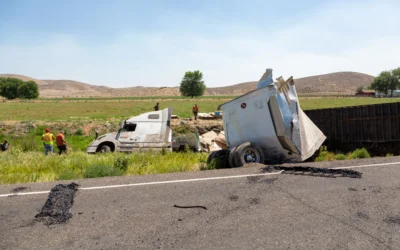
The seconds after a car accident blur together. Hands are shaking, hearts are racing, and a thousand questions flood the mind. Among them, one question often gets pushed aside in the chaos but becomes increasingly important as the days pass: how long do you have to file a claim?
If you’ve been in a collision in Reno, Sparks, or anywhere else in Nevada, time is more than just a number. It’s the difference between securing the compensation you deserve and watching your rights disappear.
The Two-Year Rule for Personal Injury Claims
Nevada law gives you two years from the date of the car accident to file a personal injury lawsuit under Nevada Revised Statutes § 11.190(4)(e). For example, if someone was rear-ended on March 15, 2024, they have until March 15, 2026, to file a lawsuit seeking compensation for medical bills, lost wages, pain and suffering, and other damages. Miss that deadline by even a single day, and the courthouse doors slam shut—no matter how strong the evidence or how severe the injuries.
This two-year statute of limitations also affects settlement negotiations with insurance companies. Insurance adjusters know about this deadline and use it as leverage. The closer you get to that two-year mark without filing a lawsuit, the weaker your negotiating position becomes.
Property Damage Gets More Time
When a vehicle takes damage in a crash, Nevada gives you three years from the date of the accident to file a lawsuit for property damage under NRS 11.190(3)(c).
This longer deadline applies to:
- Repair costs supported by shop estimates
- Total loss claims based on the vehicle’s pre-accident value
- Diminished value claims when a repaired car loses resale worth
Even if an insurance company handles the initial repairs quickly, you still have three full years to pursue additional compensation through the courts if needed.
When Does the Clock Actually Start Ticking?
For most accidents, the answer is simple. The clock starts on the date of the crash itself. If an accident happened on January 15, 2025, you have until January 15, 2027, to file a personal injury lawsuit and January 15, 2028, for property damage claims.
But Nevada law recognizes that life isn’t always that straightforward.
The Discovery Rule
Some injuries don’t announce themselves right away. Someone might walk away from a fender bender feeling fine, thinking they dodged a bullet. Three weeks later, they wake up with severe neck pain that won’t quit. Their doctor diagnoses whiplash, then finds something more serious during imaging tests.
Nevada’s discovery rule may apply when injuries aren’t immediately apparent. Instead of starting on the crash date, the two-year countdown may begin when the injury was discovered or reasonably should have been discovered. This rule protects people who couldn’t have known they were hurt right away.
However, courts apply a “reasonable person” standard. No one can ignore obvious symptoms and then claim they just found the injury years later. If warning signs were present, the clock likely started earlier.
Wrongful Death Claims
When a car accident takes someone’s life, their family faces unimaginable grief on top of legal complexities. For wrongful death claims, the two-year statute of limitations begins on the date of death, not necessarily the date of the accident.
If a loved one survived for several days or weeks after a crash before passing away from their injuries, the filing deadline is measured from their date of death.
Minors and Special Protections
Nevada law pauses the statute of limitations for accident victims under 18 years old. The two-year countdown doesn’t begin until the minor’s 18th birthday. This means a child injured at age 10 would have until age 20 to file a personal injury lawsuit.
Parents or legal guardians can file on behalf of a minor before they turn 18 to speed up the process and ensure compensation arrives when it’s needed most.
Government Vehicles Change Everything
Getting hit by a city bus, police car, or any government vehicle involves the Nevada Tort Claims Act. Nevada law allows you to present a Notice of Claim to the appropriate government agency under NRS 41.036, but presenting a claim is not required before filing a lawsuit. However, filing this notice is still highly recommended to preserve all your rights and facilitate potential settlement discussions.
The lawsuit is still subject to the same two-year statute of limitations for personal injury claims under Nevada Revised Statutes § 11.190(4)(e). If you choose to file a notice, it must include specific details about the accident, injuries, and compensation sought. This applies to accidents involving city buses, fire trucks, municipal vehicles, county sheriff vehicles, state highway patrol cars, school district buses, and any vehicle owned by a Nevada government entity.
Insurance Claims Are Different
Here’s where things get confusing for many accident victims. The statute of limitations governs lawsuits filed in court. It doesn’t control insurance claim deadlines.
Insurance policies likely require reporting accidents “promptly” or within a “reasonable time.” For most insurers, that means days or at most a few weeks after the crash. Check your policy’s specific language.
Filing a lawsuit before the statute of limitations expires gives you leverage during settlement negotiations. If the insurance company knows you can take them to court, they’re more likely to offer fair compensation. But if you wait too long and the deadline passes, you lose that leverage completely.
What Happens If You Miss the Deadline?
When someone files a lawsuit after the statute of limitations expires, the defendant’s attorney will immediately file a motion to dismiss. They’ll point out that time ran out. The judge will review the filing dates and almost always grant the dismissal.
The case ends before it begins. No trial, no settlement, no compensation. Medical bills pile up. Lost wages go unreimbursed. Pain and suffering remain uncompensated. The at-fault driver walks away without facing consequences.
Even worse, missing the deadline eliminates negotiating power with insurance companies. They know you can’t sue, so they have zero incentive to offer reasonable settlements.
Why Acting Quickly Protects Your Rights
The statute of limitations sets the absolute latest you can file, but waiting that long is a mistake. Here’s why taking action sooner rather than later makes sense.
Evidence disappears. Security camera footage from nearby businesses gets recorded after 30 to 90 days. Skid marks fade. Debris gets swept away. The longer you wait, the harder it becomes to prove what happened.
Witnesses forget. Memory fades with time. That person who saw the other driver run the red light might struggle to recall details six months later. A year later, they might not remember the incident at all.
Insurance companies use delay tactics. Adjusters drag out negotiations hoping people will accept less or miss deadlines. By the time someone realizes time is running short, their bargaining position has weakened considerably.
Medical evidence matters. Seeing doctors promptly creates a clear connection between the accident and injuries. Waiting months to seek treatment gives insurance companies ammunition to argue injuries weren’t that serious or were caused by something else.
Complex cases need preparation time. Gathering medical records, obtaining accident reports, consulting with witnesses, and building a comprehensive case takes time. Starting early gives an attorney room to develop the strongest possible claim.
Special Circumstances That Can Pause the Clock
Nevada law recognizes that certain situations make it impossible or unfair to hold people to standard deadlines. The legal term is “tolling” the statute of limitations.
Mental incapacity. If the accident victim is mentally incapacitated and unable to make legal decisions, the statute of limitations may pause until they regain capacity or a court appoints a representative.
Defendant leaves Nevada. When the at-fault party leaves Nevada and stays out of state for extended periods, the statute of limitations may be tolled for the duration of their absence under NRS 11.300.
Fraudulent concealment. If the defendant actively conceals their wrongdoing or hides facts that prevented someone from finding the injury or its cause, the statute of limitations may be tolled until the concealment is found.
These exceptions are narrow. They don’t apply to every case where someone missed a deadline. Courts interpret them strictly.
What About Hit-and-Run Accidents?
Nevada sees far too many hit-and-run crashes. The driver flees the scene, leaving someone with damage and injuries but no clear defendant.
The statute of limitations still applies, but the countdown may pause if the at-fault driver cannot be identified. Once they’re identified through police investigation or other means, the clock starts running. If they’re never identified, compensation may need to come through uninsured motorist coverage instead of filing a lawsuit against an unknown defendant.
Steps to Take Right After an Accident
Time starts running the moment a collision occurs. Taking these steps protects your rights and preserves evidence.
- Get medical attention immediately. Even if you feel fine, some injuries have delayed symptoms. Medical records from the day of the accident establish a clear link between the crash and your injuries.
- Call the police. Nevada law requires reporting accidents that cause injuries or property damage exceeding $750. A police report provides an official record of what happened.
- Document everything. Take photos of vehicle damage, the accident scene, skid marks, traffic signs, and weather conditions. Get contact information from witnesses. Note the other driver’s insurance details.
- Report to your insurance company. Most policies require prompt notification, regardless of fault. Failing to report can put coverage at risk.
- Keep detailed records. Save medical bills, repair estimates, pay stubs showing lost wages, prescription receipts, and any other documentation related to the accident.
- Avoid recorded statements. Insurance adjusters from the other driver’s company may contact you quickly. Be cautious about giving recorded statements without legal guidance. What you say can be used to undervalue or deny your claim.
- Don’t post on social media. Insurance companies monitor Facebook, Instagram, and other platforms. Photos or comments about activities can be twisted to argue someone isn’t really injured.
Key Takeaways
- Nevada gives you two years for personal injury claims under NRS 11.190(4)(e), measured from the accident date.
- You have three years for property damage claims under NRS 11.190(3)(c).
- Wrongful death claims have a two-year deadline starting from the date of death, not the accident date.
- Claims against government entities require filing a Notice of Claim within two years under NRS 41.036.
- The discovery rule may apply when injuries aren’t immediately apparent, potentially extending the deadline.
- Minors receive extended protections with the statute of limitations paused until age 18.
- Insurance reporting requirements are separate from lawsuit deadlines and typically much shorter.
- Missing deadlines typically means losing all rights to compensation, with very limited exceptions.
Frequently Asked Questions
Does the two-year deadline apply if the other driver was uninsured?
Yes. The statute of limitations applies regardless of the at-fault driver’s insurance status. If they’re uninsured, you might pursue compensation through your own uninsured motorist coverage, but the same two-year deadline applies to file a lawsuit.
Can I extend the statute of limitations if I’m still in treatment?
Generally no. The deadline runs from the accident date (or discovery of injury), not from when treatment ends. Ongoing medical care doesn’t pause the clock. This is why filing sooner rather than later makes sense, even if your medical situation is still developing.
What if I initially accepted a settlement offer but now realize my injuries are worse?
Once you sign a settlement agreement and accept payment, you typically cannot reopen the claim even if your condition worsens. This is why it’s important to fully understand the extent of injuries before settling. The statute of limitations won’t help here because the release you signed likely bars future claims.
If I file a claim with insurance, does that stop the statute of limitations?
No. Filing an insurance claim is completely separate from the statute of limitations for lawsuits. The clock keeps running regardless of insurance negotiations. Many people mistakenly believe an open insurance claim protects their right to sue, but it doesn’t.
What if the accident happened just over the Nevada border in California?
The statute of limitations is generally determined by where you file the lawsuit. California has a different statute of limitations (two years for personal injury, three years for property damage). If you’re unsure which state’s laws apply, consult with an attorney immediately.
Can I sue if the other driver got a traffic ticket but I missed the statute of limitations?
No. The traffic ticket is separate from your civil claim. While a traffic citation can help prove fault, it doesn’t create an exception to the statute of limitations. Missing the deadline bars your lawsuit regardless of the ticket.
Does the statute of limitations apply to claims for emotional distress?
Yes. Emotional distress claims arising from car accidents are typically subject to the same two-year statute of limitations as physical injury claims. The clock starts when the accident occurs or when you discover the emotional trauma.
Contact Us
Don’t let time work against you. The statute of limitations is unforgiving, and missing a deadline can cost you everything. At Joey Gilbert Law in Reno, we move quickly to protect your rights while the evidence is still fresh and witnesses still remember what happened.
We’ve secured significant compensation for car accident victims throughout Northern Nevada. Our team handles every aspect of your claim, from investigating the accident to negotiating with insurance companies to taking your case to trial if necessary.
You need advocates who know Nevada law inside and out. You need a firm that treats your case with the urgency it deserves. You need attorneys who won’t let insurance companies run out the clock on your rights.
The sooner you reach out, the stronger your case becomes. Contact Joey Gilbert Law today for a free consultation. We’ll review your accident, explain your options, and start building your case immediately.
Time is counting down. Let’s get to work.